Hedge Trimming in Raynes Park

Hedge trimming in Raynes Park should leave boundaries neat, growth healthy and shapes balanced, whether the work is for a front garden, a shared boundary or a longer screening hedge. We focus on practical trimming that suits the plant type, the season and the finish you want, rather than cutting everything to the same look. That means taking account of density, recent growth and the overall line of the hedge so the result is tidy without being harsh.
Our hedge trimming service covers regular maintenance cuts, reduction of unruly growth and careful shaping where a clearer outline is needed. Different hedges need different approaches; evergreen hedging, mixed garden screening and more formal boundaries all respond best when the cut is chosen with the plant in mind. If you are comparing options, you can request a quotation once you have a clear idea of the size, access and finish you need.
For customers planning work in Raynes Park, it often helps to think about the practical details of the hedge itself before anything else. Height, length, thickness and whether both sides need attention all affect the scope of the task. If you already know the hedge type, the usual cutting frequency and any areas that must be protected, you can describe those in your enquiry and we can quote more accurately.
Regular hedge maintenance and shaping
Routine hedge maintenance is often the best way to keep lines clean and prevent the hedge from becoming uneven or too dense at the base. A managed trim can help maintain a defined top, straight sides and a consistent profile along the full run. It also makes it easier to keep pathways, driveways and garden edges clear where a hedge borders everyday use areas.
Shaping is more than just reducing length. Some hedges benefit from a slightly tapered profile so the lower growth receives enough light, while others are better kept square and formal. We work with the hedge’s natural habit to avoid an over-cut appearance and to preserve the structure needed for future growth. If you want a quote, it helps to mention whether you are after a light tidy, a seasonal cut or a more substantial reshape.
Common trimming choices include keeping a hedge at a steady height, restoring a boundary that has drifted out of line, and reducing lateral growth that is starting to narrow a path or overhang a wall. In each case, the aim is a finish that looks deliberate and supports healthy regrowth rather than leaving the hedge ragged. Small details matter, especially at corners, junctions and changes in height, where uneven cutting is most visible.
Overgrown hedges, reduction work and careful cutting

Some hedges need more than a routine trim. When growth has become tall, wide or heavily congested, reduction work can help restore a manageable outline. This is usually a more considered task because the hedge may need to be shortened in stages, with the cut set to preserve coverage and avoid stripping away too much growth at once. The right approach depends on the species and how far the hedge has already run.
Overgrown hedges can also hide issues such as dead sections, weak lower growth or branches pushing into neighbouring space. Careful cutting makes it possible to open the hedge without leaving it sparse or uneven. Where appropriate, we can work to improve both the front-facing appearance and the back line, particularly if the hedge sits on a boundary or needs to look tidy from more than one side.
When you are planning a larger reduction, it is useful to think about the finished height you want, the access available along the hedge and whether clippings need to be removed from a tight side passage, rear garden or front boundary. A clear description of the hedge length and the amount of work needed will usually make the quotation process more straightforward.
Hedge types, boundary lines and finishing details
Different hedge types need different handling, and that affects how the work is planned. Fast-growing hedges may need more frequent attention, while denser evergreens often need patient cutting to avoid exposing inner stems. Mixed hedges, which combine several plants, need particular care so that one species does not dominate the line or leave the boundary looking patchy.
We also pay close attention to finishing details along fences, walls, gateways and shared edges. Where a hedge runs beside hard landscaping, it is important that the line is trimmed neatly without damaging adjoining surfaces or leaving awkward protrusions. A well-finished boundary is easier to maintain later, because the hedge grows back from a clearer reference shape. Clean edges and even faces make a noticeable difference to the overall appearance.
If your hedge marks a front garden, a drive or a side access route, the trim may need to strike a balance between neatness and privacy. That balance is not the same for every property, which is why a brief description of your preferred shape can be helpful. Some customers want a crisp formal line; others prefer a softer, more natural finish that still looks controlled and presentable.
What affects hedge trimming quotations

Quotation work for hedge trimming is usually shaped by the size of the hedge, the overall thickness of growth and how much of the hedge needs attention. Height and access can make a major difference, especially where ladders, long stretches or awkward corners are involved. If there are obstacles such as sheds, fences, planting beds or narrow side returns, it helps to mention those early so the scope is clear.
Frequency can matter too. A hedge kept in regular condition often needs less corrective work than one left for a longer period. That does not mean every job is straightforward, but it does mean the nature of the cut may vary from a simple tidy to a more involved reduction. If you are seeking a quote, describe the finish you expect, not just the hedge length, because the same hedge can need very different work depending on the result you want.
Useful information for a quotation usually includes the hedge type, the approximate length and height, whether clippings should be taken away, and whether both sides or only one face needs trimming. If you already have photographs, they can help, but they are not a substitute for a clear description of the hedge condition. A concise outline of access and preferred timing is often enough to begin.
Supporting garden presentation with neat hedge lines
A tidy hedge can make a strong difference to the overall presentation of a property because it frames borders, softens hard edges and keeps the garden looking maintained. In many settings, the hedge is one of the most visible elements in the outdoor space, so an even line can improve the impression of the whole frontage. That is one reason customers often choose to keep trimming on a regular cycle.
Hedges can also work alongside other garden care tasks. A hedge that has been cut back into shape may reveal space that was previously hidden, or make it easier to carry out mowing, border work or general maintenance around the base. If you are coordinating several garden tasks, it is sensible to think about the order in which they should happen so the hedge trim supports the rest of the garden rather than interfering with it.
Where a hedge has become too wide, the outer face may be the most visible issue, but the internal structure matters just as much. Cutting too aggressively on the outside alone can leave a hedge looking thin in places. A more balanced approach keeps the hedge’s form intact, so it continues to provide screening while also looking smart from street level and from the garden side.
Preparing for hedge trimming work
It is helpful to make access clear before work begins. That can mean moving cars, opening side gates or pointing out any fragile features near the hedge, such as lighting, young planting or decorative fencing. If there are specific parts of the hedge that must be left untouched, mention those as well. A tidy working area usually helps the trimming proceed more smoothly and reduces the chance of confusion about the finished line.
Two practical points are worth noting in most quotations: whether waste should be removed and whether the hedge has one exposed side or two. Those details often affect how long the work will take and how it is priced. If the hedge is long or heavily cut back, it may also be helpful to explain whether there is straightforward access for carrying material away. That gives a clearer picture of the task without overcomplicating the request.
When you are ready to move forward, a short description of the hedge and the result you want is usually enough to start the conversation. You do not need to produce a long checklist, but the more precise the outline, the easier it is to set expectations. Please send a quotation request with the hedge length, height and access details if you want the work assessed against your specific garden.
About Raynes Park
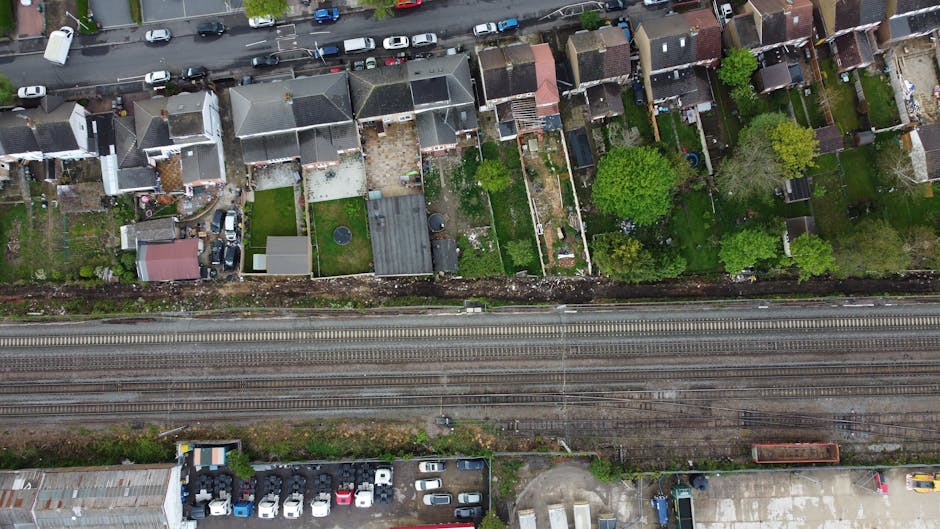
Raynes Park is a district in southwest London, within the London Borough of Merton, and it sits around the junction of several residential streets, rail links and local shopping routes. The area is closely associated with the development of suburban London in the late nineteenth and early twentieth centuries, when rail transport encouraged new housing and a more planned pattern of streets. Its name comes from the former Raynes Park estate, while the present-day district evolved into a busy residential centre with a mix of terraced houses, semidetached homes and later infill development. The area is served by Raynes Park railway station, which has long been an important local transport point on the South Western network, linking the district with central London and neighbouring suburbs. Local streets contain a range of period architectural details, from modest Victorian and Edwardian houses to later twentieth-century buildings, and the general townscape reflects that layered growth. Open spaces in and around the district include Cottenham Park to the north and nearby recreational grounds that give the neighbourhood green relief between built-up streets. To the south and west, the River Wandle corridor and other local green routes are part of the wider setting of Merton, while Wimbledon Chase and Wimbledon Village lie within the broader surrounding landscape. Raynes Park also has a community identity shaped by everyday retail activity, local services and schools, making it a practical suburban centre rather than a purely residential enclave. Its streets are busy enough to feel connected, yet the area retains a quieter domestic character in many of its side roads and garden-lined plots.
Seasonal trimming and hedge health
The timing of hedge trimming can affect both appearance and plant response. A light cut in the right season can keep the hedge compact, while heavier reduction is usually better approached with care and an understanding of how the plant regrows. If cutting is done too late or too hard, some species may look sparse for longer than expected. That is why a measured approach is generally better than forcing every hedge into the same schedule.
Health is part of the trimming decision as well. Hedges with dead pockets, old wood or uneven vigour may need selective cutting rather than a uniform pass over the whole line. Paying attention to the growth pattern helps the hedge maintain cover and reduces the chance of a flat, lifeless finish. Healthy hedging should still look purposeful; the best results usually combine restraint with a clear sense of shape.
Customers sometimes ask whether a hedge can be restored to a neater line after a period without maintenance. In many cases it can, but the approach depends on how much growth has accumulated and whether the hedge has enough active growth to support the desired shape. For that reason, a quotation is often more accurate when it is based on a description of the hedge’s current condition rather than a general idea of the garden.
Additional garden services that may sit alongside hedge work
Although hedge trimming is the main service here, some gardens benefit from wider maintenance at the same time. That can include general tidying around borders, keeping lawn edges clear where overhanging growth affects the line, or coordinating hedge work with other outdoor improvements. The aim is not to expand the job unnecessarily, but to keep the garden looking coherent where one task affects another.
Where a hedge forms part of a larger landscaping plan, it may be useful to think about the order of works. A newly shaped hedge can complement fresh planting, a renovated boundary or a redesigned garden edge, while a neglected hedge may first need cutting back before anything else is tackled. If you are gathering ideas for a broader scheme, our services overview can help you compare the main types of outdoor work we cover.
For a more focused start, you may prefer to look at the related pages for garden maintenance, lawn mowing or landscape gardening. If your enquiry is ready, contact us to request a quotation for hedge trimming in Raynes Park.