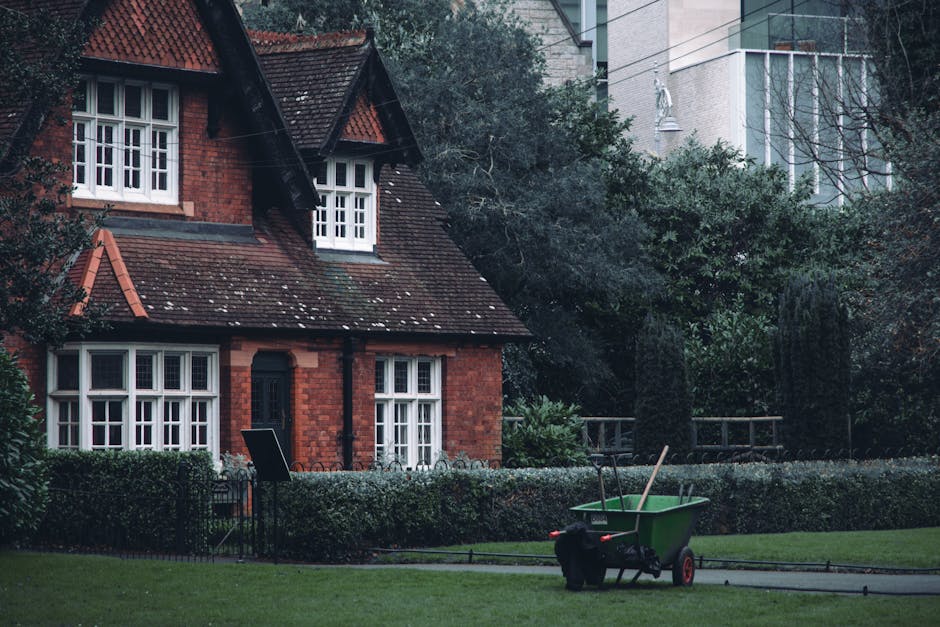
Local garden maintenance for West Barnes Lane Raynes Park
If your garden on or near West Barnes Lane has started to look a little tired, you are not alone. A few untidy edges, a patchy lawn, and a hedge that seems to grow overnight can make even a decent outdoor space feel harder to enjoy. Local garden maintenance for West Barnes Lane Raynes Park is really about keeping that space healthy, tidy, and usable through the year without the constant stress of trying to catch up every weekend.
In this guide, we look at what local garden maintenance actually includes, how it works in a real London setting, and how to judge what your garden needs. You will also find a practical checklist, a comparison of maintenance options, and a few grounded tips that help avoid the usual headaches. No fluff. Just the stuff that tends to matter when you are standing at the back door thinking, "right, this needs sorting."
Table of Contents
- Why Local garden maintenance for West Barnes Lane Raynes Park Matters
- How Local garden maintenance for West Barnes Lane Raynes Park Works
- Key Benefits and Practical Advantages
- Who This Is For and When It Makes Sense
- Step-by-Step Guidance
- Expert Tips for Better Results
- Common Mistakes to Avoid
- Tools, Resources and Recommendations
- Law, Compliance, Standards, or Best Practice
- Options, Methods, or Comparison Table
- Case Study or Real-World Example
- Practical Checklist
- Conclusion
- Frequently Asked Questions
Why Local garden maintenance for West Barnes Lane Raynes Park Matters
Gardens in this part of south-west London tend to face a familiar mix of pressures: shaded corners from mature trees, narrow side returns, compact front plots, and the usual urban build-up of leaves, moss, and dust. Add in London weather - a bit damp, then suddenly dry, then windy for no good reason - and it becomes very easy for a garden to slip from "fine" to "how did it get like this?"
Local garden maintenance matters because small, regular work prevents bigger problems. A neglected border can become weed-heavy. A lawn can thin out and invite moss. Hedges can spread, block light, and look uneven from the street. Once these things build up, tidying them is slower and more expensive than keeping on top of them in the first place.
There is also a property-value angle, though not in some dramatic sales-brochure way. A neat garden simply makes daily life feel calmer. You notice it when you step outside with a cup of tea on a mild morning and the space feels ordered rather than awkward. It changes the mood of the house, honestly.
For residents near West Barnes Lane, local knowledge helps too. Access can be tighter than people expect, parking can be awkward, and some gardens are more exposed than they first appear. A maintenance plan that suits a suburban garden in Raynes Park is not the same thing as a generic checklist pulled from somewhere else.
How Local garden maintenance for West Barnes Lane Raynes Park Works
Garden maintenance is usually a repeat service rather than a one-off rescue. Think of it as routine care that keeps the garden in shape through the seasons. Depending on the property, the work may include lawn mowing, hedge trimming, pruning, weeding, edging, leaf clearance, border tidying, shrub shaping, and light green waste removal.
In practice, the process usually starts with a walk-through. A gardener assesses what is growing well, what is getting out of hand, and what is best left for the right time of year. That matters more than people think. For example, some shrubs look best after flowering, while lawns need a different approach in wet months than during dry spells. Trim at the wrong time and you can slow growth or spoil shape. Not ideal.
From there, a maintenance schedule is set. This may be weekly, fortnightly, monthly, or seasonal, depending on the garden and the level of upkeep needed. A small front garden with a tidy lawn might only need lighter, regular visits. A larger back garden with hedges, beds, and mature planting may need more hands-on attention.
In a local setting, the practical side matters as much as the horticulture. Where will waste be stacked? Is there side access? Are there pets, children, or neighbours close by? Are there delicate paving slabs or decking edges that need care? Good maintenance is part gardening, part common sense.
For bigger garden transformations or structural changes, maintenance often sits alongside broader work such as landscape gardening or even a full tidy-up before redesign. If the garden has become heavily overgrown, the first step may be a one-off reset through garden clearance before regular care begins.
Key Benefits and Practical Advantages
The obvious benefit is appearance. A garden that is trimmed, swept, and weeded looks cared for. But to be fair, the deeper benefits are usually more practical than visual.
- Less catch-up work: small jobs stay small when they are done regularly.
- Healthier plants: pruning, feeding, and clearing dead material helps growth stay balanced.
- Safer outdoor spaces: overgrown paths, slippery moss, and loose debris are easier to manage.
- Better use of space: a well-kept garden feels larger and more usable.
- Stronger kerb appeal: important if the front garden is visible from the road or shared access.
- Reduced stress: you do not have to spend whole Saturdays battling the brambles. Which, let's face it, nobody enjoys.
There is also a seasonal advantage. In spring, maintenance helps gardens recover after winter. In summer, it stops everything from racing away. In autumn, leaf clearance and cutting back prevent slippery surfaces and rotting debris. In winter, sensible maintenance can protect plants and keep the structure of the garden intact.
One small but real advantage is rhythm. Once a garden is on a proper schedule, it becomes easier to enjoy. You stop seeing a to-do list every time you look out the kitchen window. That does more for wellbeing than people admit.
Who This Is For and When It Makes Sense
Local garden maintenance for West Barnes Lane Raynes Park makes sense for quite a few different households and property types. It is not just for people with large gardens or people who "don't do gardening." In fact, some of the best-maintained gardens belong to people who simply do not want to spend their limited free time on repetitive outdoor jobs.
You may benefit if:
- you have a busy work schedule and the garden keeps dropping down the list
- your lawn is still manageable, but edging and weeds are becoming a nuisance
- hedges and shrubs are starting to block light or crowd paths
- you are preparing a property for sale or new tenants
- you have returned from holiday and the garden has gone a bit feral
- you are an older homeowner who wants safe, reliable upkeep without heavy lifting
- you manage a rental, shared property, or family home and need consistency
It also makes sense if you are halfway through a bigger landscaping plan and need the garden to stay tidy in the meantime. A space can look surprisingly different with just routine mowing, pruning, and clearance. That "in-between" phase is often where people feel stuck. Maintenance breaks that pattern.
On the other hand, if your garden has severe drainage issues, major hard landscaping problems, or mature trees that need specialist work, maintenance alone will not solve everything. It helps, yes. But sometimes you need a wider plan.
Step-by-Step Guidance
Here is a sensible way to approach garden maintenance without overcomplicating it. Simple usually wins.
1. Walk the garden properly
Start with a full look around. Check the lawn, borders, hedges, fences, paving, and any planted areas. Notice what feels overgrown, patchy, blocked, or unsafe. A quick glance is not enough. Walk slowly. Look from different angles. You will often spot the things you have stopped seeing.
2. Separate urgent work from routine work
Some tasks need immediate attention, such as overhanging branches, blocked paths, or thick weed growth near entrances. Other tasks can be scheduled, like light pruning or seasonal feeding. This distinction stops the work from becoming chaotic.
3. Deal with access and waste first
Before any cutting starts, think about where clippings and green waste will go. Gardens on West Barnes Lane can vary a lot in access, and it is irritating to realise halfway through that the best waste route is through the narrowest part of the house. Plan it first. Saves a lot of back-and-forth.
4. Tackle structure before detail
Generally, larger jobs come first: hedge reduction, pruning, mowing, and clearing. Then move into the neat finishing touches such as edging, sweeping paths, and tidying borders. It is a simple order, but it matters.
5. Keep the lawn in a proper cycle
Lawns do better with a routine than with occasional big cuts. Mowing too short can stress grass, while long gaps between cuts can leave the surface uneven and messy. If there is moss or patchiness, that may need a separate treatment plan rather than just another mow. For ongoing grass care, lawn mowing is usually the backbone of a good maintenance routine.
6. Prune with shape and timing in mind
Not every plant wants the same treatment. A hedge can often be kept crisp with regular trimming, while shrubs may need selective pruning to preserve flowers and structure. If in doubt, less is usually safer than more. A garden can recover from a cautious cut. It can look awkward for months after a heavy one.
7. Finish with a tidy pass
The final sweep matters. Remove loose cuttings, rake beds if needed, and clear hard surfaces so the garden looks deliberately maintained rather than recently attacked by a very determined person with shears.
Expert Tips for Better Results
A few practical habits make a real difference over time. None of them are flashy, but they add up.
Keep to a seasonal rhythm. Spring is for recovery and growth. Summer is for control. Autumn is for clearing and preparation. Winter is for protection, structure, and sensible restraint. Gardens behave differently in each period, and maintenance should follow that cycle rather than fight it.
Do not overcut hedges. This is one of the quickest ways to make a hedge look thin and stressed. Regular light trimming is usually better than one dramatic reshape. If a hedge has become too wide or tall, reduce it carefully over time where possible. For that kind of work, hedge trimming is often more effective when done steadily rather than aggressively.
Watch the borders after rain. In damp weather, soil compacts, weeds root more easily, and paths become muddy or slippery. A quick tidy after rain can stop a small mess from turning into a bigger one. Sounds obvious, but it really helps.
Think about light. In many Raynes Park gardens, one overgrown shrub or hedge can change how much light reaches the house. A maintenance plan that improves light can make the whole home feel better. That is not just horticultural theory; you can feel it in the room.
Pair maintenance with selective improvements. Sometimes the best results come from a small upgrade, not a major redesign. A cleaner edge, new mulching, a tidied border, or a repaired fence panel can lift the whole garden. If you want to build on the basics, landscaping or even decking services may be worth considering later on.
Keep notes. A simple reminder on your phone about pruning times, lawn issues, or recurring problem spots can make the next visit easier. Nothing fancy. Just enough to remember what worked and what did not.
Common Mistakes to Avoid
Most garden problems do not start as big problems. They start with a few small assumptions. That is the annoying truth of it.
- Waiting too long between visits: once growth gets away from you, maintenance becomes harder and slower.
- Cutting everything at once: over-pruning can leave plants stressed and exposed.
- Ignoring waste management: clippings, branches, and leaf piles create extra work if they are not removed promptly.
- Using the wrong tool for the task: blunt blades, poor trimmers, or the wrong mower setting can damage the finish.
- Forgetting the edges: neat borders and paths make a garden feel finished, even if the planting is simple.
- Not checking for hidden issues: broken fencing, drainage puddles, and unstable trees can be missed when everyone focuses only on surface tidying.
Another common mistake is trying to maintain a garden in exactly the same way year-round. That rarely works in the UK. A June cut is not the same as a November tidy. Different season, different priorities. It sounds straightforward, because it is. Yet people still trip over it.
And yes, the classic mistake: tackling a whole jungle with optimism and one blunt pair of shears. The garden usually wins that round.
Tools, Resources and Recommendations
A good maintenance routine depends on reliable tools, but you do not need a van full of equipment to keep a modest garden in shape. The main thing is matching the tool to the job and keeping it in decent condition.
| Task | Useful tool or approach | Why it helps |
|---|---|---|
| Lawn cutting | Well-maintained mower | Gives a cleaner finish and reduces scalp marks |
| Hedge shaping | Hedge trimmer or hand shears | Helps achieve straighter, more even lines |
| Border cleanup | Fork, trowel, hand weeder | Useful for precise removal without disturbing plants too much |
| Leaf and debris removal | Rake, broom, garden waste bags | Keeps surfaces safe and the garden looking finished |
| Pruning | Sharp secateurs or loppers | Makes cleaner cuts and reduces tearing |
If you are booking professional help, it is worth asking how waste is handled, whether the team is insured, and what kind of routine they recommend for your garden size. A tidy-looking result is good, but a reliable process is better. You want someone who notices the small things as well as the obvious ones.
Useful service pages on this site include garden maintenance, services overview, and pricing and quotes if you want to understand how a maintenance plan might be put together before committing to anything.
Law, Compliance, Standards, or Best Practice
For routine garden maintenance, there is usually no complex legal process for a homeowner to worry about. Even so, good practice matters. Noise, waste handling, neighbour relations, and site safety all become relevant quickly in a built-up area like Raynes Park.
If work involves cutting large branches, handling heavy waste, using powered tools, or dealing with awkward access, safe practice is important. Teams should use sensible protective equipment, keep walkways clear, and avoid leaving tools where someone could trip. That is just basic professional care, really, but it should never be assumed.
Green waste should be managed responsibly. Depending on the size of the job, this may mean composting where suitable, bundling clippings neatly, or removing waste altogether. Reputable providers will usually have a proper approach to disposal rather than just leaving bags piled up. If sustainability matters to you, it is reasonable to ask about it. You can also look at recycling and sustainability for a sense of the approach behind greener garden work.
Insurance is worth asking about too. If tools are used on your property, and especially if ladders or tree-related work are involved, a properly insured service gives peace of mind. It is one of those boring questions that turns out to be very sensible.
For work near roads, shared paths, or tight access points, the practical standard is simple: keep the site tidy, avoid blocking access, and be considerate with noise and timing. The best garden maintenance teams act like good neighbours. That goes a long way.
Options, Methods, or Comparison Table
Not every garden needs the same kind of attention. Some people need light, regular help. Others need a deeper reset and then ongoing care. Here is a simple comparison to make the choice clearer.
| Approach | Best for | Pros | Trade-offs |
|---|---|---|---|
| Regular maintenance visits | Gardens that are already mostly under control | Prevents problems, keeps things tidy, easy to budget for | May not be enough if the garden is badly overgrown |
| Seasonal visits | Smaller gardens or properties with lighter needs | Lower frequency, useful for spring/autumn refreshes | Can allow faster growth between visits |
| One-off tidy-up | Overgrown or neglected gardens | Fast visible improvement | Issues often return without follow-up care |
| Clearance plus maintenance plan | Heavily neglected spaces needing a restart | Good for complete reset and long-term control | Takes more time and usually a larger initial effort |
For many West Barnes Lane properties, the best option is a tidy-up first, then a repeat schedule. That way you are not constantly fighting the same overgrowth. It is a bit like cleaning a room before deciding where to put the furniture. Obvious, maybe, but it works.
If hedges, trees, or dense planting are creating the main issue, combining general upkeep with specialist work can make sense. Pages such as tree lopping and removal and best gardeners near Raynes Park station can also help you think about the kind of support you may need.
Case Study or Real-World Example
A typical local example would be a modest rear garden off West Barnes Lane that has been left for a couple of months. The lawn is a bit long, the edges have disappeared, the back fence is half-hidden behind a climbing shrub, and the patio has gathered leaf litter in the corners. Nothing extreme. Just enough for the space to feel neglected.
The first visit would usually focus on structure: mow the lawn, trim the hedge, clear the debris, and bring back the visible edge lines. Once the bones of the garden are visible again, the next step is a lighter tidy of the borders and any awkward growth near access points. If the garden has more substantial overgrowth, a separate clearance phase may be needed before regular upkeep can really stick.
After that, a fortnightly or monthly schedule may be enough to keep everything under control. The difference is often striking. Not because everything becomes fancy, but because the garden starts to feel intentional again. You step outside and the place makes sense.
One small detail people often notice in the first week after maintenance is how much cleaner the light feels through the windows. That does not show up in a checklist, but it is real. And it tends to matter more than people expect.
Practical Checklist
Use this checklist if you are planning local garden maintenance and want to keep things straightforward.
- Check the lawn for length, bare patches, moss, and uneven areas
- Inspect hedges and shrubs for shape, overgrowth, and low branches
- Look at borders for weeds, dead stems, and crowded planting
- Clear leaves, twigs, and debris from paths and patios
- Confirm where green waste will be collected or stored
- Note any access issues, locked gates, or narrow side passages
- Identify plants that should not be pruned hard or at the wrong time
- Check fences, edging, and hard surfaces for damage that may affect maintenance
- Decide whether you need a one-off tidy-up or ongoing visits
- Ask about insurance, disposal, and seasonal timing before work starts
Expert summary: the best local garden maintenance is not the most dramatic kind. It is the kind that stays consistent, suits the season, and quietly stops your outdoor space from becoming a weekend problem.
Conclusion
Local garden maintenance for West Barnes Lane Raynes Park is ultimately about keeping your outdoor space in a state that feels calm, practical, and easy to live with. A neat garden is not just a nice extra. It helps the home feel better, gives you more usable space, and prevents small issues from snowballing into bigger jobs.
The most useful approach is usually simple: assess the garden honestly, deal with the structure first, keep a steady rhythm, and use seasonal judgement rather than forcing everything into one routine. If the garden is currently out of shape, that is fine. Plenty of gardens go through that phase. The important thing is getting back to a manageable baseline and keeping it there.
If you are weighing up whether to book help, think about the time you are losing, the tasks you keep postponing, and how much better the space would feel once it is under control. Sometimes the answer is obvious once you say it out loud.
Get a free quote today and see how much you can save.
And if you take nothing else from this guide, take this: a well-kept garden does not need to be perfect to feel good. It just needs care, a bit of rhythm, and the occasional proper reset.
Frequently Asked Questions
What does local garden maintenance usually include?
It often includes lawn mowing, hedge trimming, pruning, weeding, border tidying, leaf clearance, and general garden cleanup. The exact mix depends on the garden's size, season, and condition.
How often should a garden in West Barnes Lane be maintained?
That depends on how quickly the space grows and how tidy you want it to stay. Many gardens benefit from fortnightly or monthly visits, while smaller or lower-growth spaces may only need seasonal attention.
Is garden maintenance different from garden clearance?
Yes. Garden maintenance is ongoing upkeep, while garden clearance is usually a one-off or occasional larger job for overgrown, cluttered, or neglected spaces. Clearance often comes first if the garden has been left for a while.
Can maintenance help a very messy garden, or do I need a full tidy-up first?
If the garden is heavily overgrown, a full tidy-up or clearance is usually the best starting point. Once the space is back under control, routine maintenance keeps it that way.
Do I need regular hedge trimming as well as general maintenance?
Often yes. Hedges can grow quickly and become uneven if they are only checked occasionally. Regular hedge trimming helps keep shape, light, and boundaries under control.
What should I ask before booking a gardener?
It is sensible to ask what is included, how waste is handled, whether they are insured, how often they recommend visits, and whether the work will suit the current season. Simple questions, but useful ones.
How do I know if my lawn needs more than mowing?
If the grass is patchy, mossy, very uneven, or struggling after mowing, it may need broader care such as scarifying, feeding, or reseeding. Mowing alone will not fix every lawn issue.
Is it worth combining maintenance with landscaping work?
Sometimes yes. If the garden layout, access, or planting structure is making upkeep harder than it should be, a bit of landscaping can make future maintenance much easier. That is often money well spent.
Can local garden maintenance improve kerb appeal quickly?
Absolutely. Even basic work like mowing, edging, hedge shaping, and clearing debris can make a property look much more cared for within a single visit.
What happens to all the garden waste?
That depends on the service, but good practice is for waste to be collected, composted where suitable, or removed responsibly. It is worth confirming this in advance, especially after larger jobs.
Is there a best time of year for garden maintenance?
There is no single best time. Each season has its own tasks. Spring is good for recovery and growth, summer for control, autumn for clearing, and winter for protective, lighter work.
How do I choose between a one-off visit and ongoing maintenance?
If the garden is already in decent shape and just needs a seasonal refresh, a one-off visit may be enough. If growth gets away from you quickly, ongoing maintenance usually saves time and stress in the long run.