Top gardeners for West Barnes estates Raynes Park
If you are looking for Top gardeners for West Barnes estates Raynes Park, you are probably after more than a quick mow and a tidy-up. Estate gardens need consistency, a good eye, and a team that understands how to keep shared outdoor spaces looking cared for without turning them into a maintenance headache. That means neat lawns, healthy planting, reliable visits, and a service that fits the rhythm of the property, not the other way round.
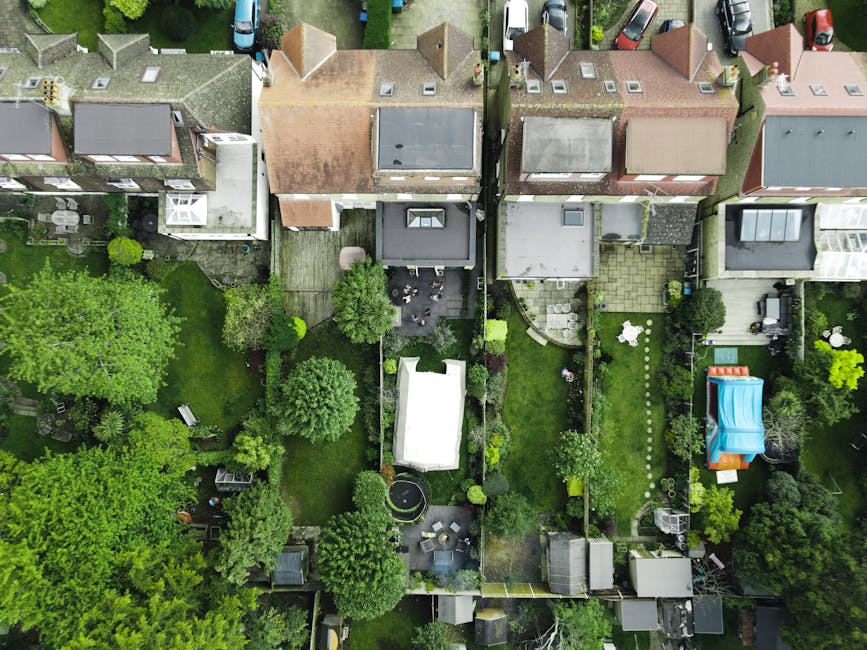
In West Barnes and the wider Raynes Park area, gardens can range from compact communal courtyards to larger estate grounds with borders, hedges, paths, and seasonal planting. The right gardener makes all of that feel calm and under control. The wrong one? Well, you notice that too. Patchy grass, overgrown edges, missed visits, and unhappy residents have a way of showing up fast.
This guide explains what "top" really means in practice, how estate gardening services usually work, what to expect, and how to choose a team that can handle the job properly. It also includes practical checklists, comparison advice, and a few local-minded tips that are easy to overlook until something goes wrong.
Table of Contents
- Why Top gardeners for West Barnes estates Raynes Park Matters
- How Top gardeners for West Barnes estates Raynes Park Works
- Key Benefits and Practical Advantages
- Who This Is For and When It Makes Sense
- Step-by-Step Guidance
- Expert Tips for Better Results
- Common Mistakes to Avoid
- Tools, Resources and Recommendations
- Law, Compliance, Standards, or Best Practice
- Options, Methods, or Comparison Table
- Case Study or Real-World Example
- Practical Checklist
- Conclusion
- Frequently Asked Questions
Why Top gardeners for West Barnes estates Raynes Park Matters
Estate gardens are not the same as a one-off domestic garden. They are shared spaces, often seen by residents, visitors, and management teams every single day. That changes the standard. A good estate gardener needs to think about appearance, access, safety, plant health, and the timing of work so the place stays presentable all year, not just after a big tidy.
In an area like West Barnes, where people value tidy streets, mature planting, and a well-kept feel, the outdoor space becomes part of the estate's reputation. A smartly maintained frontage can quietly improve first impressions, support resident satisfaction, and prevent small maintenance issues from becoming bigger ones. To be fair, it is a lot easier to keep a garden in shape than to rescue one later.
There is also a practical side. Poorly managed hedges can block light or sightlines, uneven paths can become slippery with moss, and neglected planting can attract more weeds than it should. The right gardener sees the whole picture, not just the lawn.
If you are also looking after other property services, it can help to choose a provider with broader grounds experience. Some clients prefer a team that can coordinate with estate maintenance services or support a wider block-management approach through property services. That way, gardening does not sit in a silo and become everyone else's problem later.
How Top gardeners for West Barnes estates Raynes Park Works
Estate gardening usually starts with a site visit. A proper gardener will look at access points, lawn size, hedge lines, planting beds, water availability, waste removal, and any areas that need specialist care. They will also notice the small things: where foot traffic compacts soil, which corner stays damp after rain, and whether residents tend to use certain paths more than others. Those details matter more than people think.
From there, a maintenance plan is usually built around the estate's needs. That can include regular grass cutting, hedge trimming, weed control, border care, pruning, leaf clearance, and seasonal refreshes. On some sites, the work is weekly in the growing season and less frequent in winter. On others, it is a steady programme all year because the planting, scale, or resident expectations demand it.
Good gardeners also adapt to the estate's rhythm. A Monday morning visit may be ideal for one site; another may need quieter timings so residents are not disturbed. If bins are collected on certain days, or if parking is tight, the schedule needs to work around that. Sounds simple, but this is exactly where experienced teams earn their keep.
For a broader view of how this can tie into seasonal grounds work, many property managers like to combine routine gardening with seasonal gardening services and, where needed, grounds maintenance. That makes the work feel joined up instead of piecemeal.
Key Benefits and Practical Advantages
The real benefit of choosing strong gardeners for an estate is not just a nicer view from the window, although that helps. It is the stability that comes with routine, care, and accountability.
- Cleaner appearance: Lawns, borders, hedges, and communal spaces stay neat rather than drifting into neglect.
- Better plant health: Regular attention helps catch disease, drought stress, overwatering, and overcrowding early.
- Reduced complaints: A reliable schedule prevents residents from repeatedly flagging the same issues.
- Safer shared areas: Regular clearance of leaves, debris, and overgrowth helps keep paths clearer and more usable.
- Longer-term savings: Keeping control of a garden is usually cheaper than fixing a major backlog later.
- Better seasonal presentation: Estate grounds tend to look their best when the work is planned, not improvised.
There is also a less obvious benefit: confidence. When a managing agent, resident committee, or freeholder knows the site is on a dependable schedule, fewer things get left hanging. And honestly, that peace of mind is worth a lot.
If you want the whole outdoor area to feel consistently cared for, not just mown, it is worth looking at services that include garden maintenance and grounds maintenance as part of a regular plan, not as one-off fixes.
Who This Is For and When It Makes Sense
This kind of service makes sense for anyone responsible for shared outdoor spaces in or around West Barnes and Raynes Park. That includes managing agents, resident associations, landlords, freeholders, and estate committees trying to keep a development looking tidy without chasing ad hoc contractors every month.
It is also a good fit when the garden is bigger or more visible than a basic domestic plot. Estate entrances, communal lawns, mixed planting areas, and boundary hedges all need different levels of care. If the site has one or two awkward corners that keep being ignored, a better gardener will spot that quickly.
You might especially need help if:
- the garden has become inconsistent between visits
- residents keep reporting weeds, leaf build-up, or overgrown edges
- you have lost track of who is responsible for what
- there are multiple planting types and the work needs proper sequencing
- the site looks fine in summer but slips badly in autumn and winter
For estates where day-to-day upkeep is only part of the challenge, it can also be worth linking gardening with broader support such as estate services or a wider property services plan. That kind of joined-up thinking avoids gaps. Which, let's face it, are where problems usually start.
Step-by-Step Guidance
If you are trying to choose the right gardener for an estate, do it methodically. A quick quote is not enough. A tidy-looking website is not enough either. You want a team that understands the site, the residents, and the long game.
- Walk the site properly. Ask for an on-site visit rather than a guess from photos. A real walkaround reveals access issues, boundary concerns, and workload more accurately.
- List the actual tasks. Be clear about lawns, hedges, weeds, pruning, leaf collection, litter picking, jet-wash work, or seasonal bedding. "General gardening" is too vague for an estate.
- Set the frequency. Weekly, fortnightly, monthly, or seasonal? The right cadence depends on growth rate, site visibility, and budgets.
- Check who will attend. Some firms send the same familiar team; others rotate staff. Consistency matters more than people think.
- Ask about waste removal. Green waste can build up fast. You do not want neat borders and a pile of trimmings left behind all afternoon.
- Confirm communication. Good contractors report issues early, not after the damage is obvious.
- Review after the first few visits. The first month often shows whether the service is genuinely organised or just enthusiastic on day one.
A small practical tip: take a few dated photos of the estate before work starts. Not for drama, just for clarity. It helps everyone see progress and avoids those annoying "was that hedge always like that?" moments.
Expert Tips for Better Results
In our experience, the best estate gardening outcomes come from sensible planning, not heroic one-off effort. A team can spend all day making a site look polished, but if the routine is wrong, the garden will drift again.
Use seasonal priorities. Spring is often about growth control, re-edging, and refreshing beds. Summer can be about consistency and watering where needed. Autumn means leaf clearance and keeping paths usable. Winter is usually the time for structural cuts and preparing for the next growth cycle.
Keep access simple. A good gardener should not be fighting locked gates, blocked paths, or unclear parking every visit. The smoother the access, the better the result. It sounds obvious. It still gets missed.
Mix aesthetics with function. Estate gardens need to look cared for, but they also need to work for residents. That may mean leaving sightlines open, avoiding over-soft planting in high-traffic zones, and choosing hardier plants where maintenance pressure is high.
Use the same quality standard every time. Not every visit needs a dramatic transformation. Sometimes the best sign of quality is steady, repeatable work. A hedge trimmed cleanly today should still look balanced after the next growth flush.
Choose practical communication. The best teams do not hide behind jargon. They explain what they did, what they found, and what needs attention next. Simple, useful, honest. Lovely stuff.
If you are comparing providers, it may help to look for those who can support landscaping services alongside maintenance, especially if the estate has areas that need reshaping, not just upkeep.
Common Mistakes to Avoid
A lot of estate gardening problems come from avoidable decisions, not bad luck. The most common mistake is choosing on price alone. Cheap quotes can look attractive at first, but if they skip site visits, use vague scopes, or visit inconsistently, the estate often pays for it later in complaints and remedial work.
Another common issue is under-specifying the job. If you say "keep it tidy" and expect hedge shaping, weed control, leaf clearance, and border care, that mismatch will surface quickly. Better to be plain, even if it feels a bit unglamorous.
- Do not assume every gardener understands estate-scale work.
- Do not leave seasonal tasks out of the schedule.
- Do not ignore access, parking, or waste handling.
- Do not rely on one annual cut-back to fix ongoing neglect.
- Do not forget to agree how issues are reported.
There is also a subtle mistake many people make: judging the service only by how it looks immediately after a visit. Fair enough, the post-cut neatness matters. But the true test is whether the garden still looks controlled two or three weeks later. That is the part that tells you the system is working.
Tools, Resources and Recommendations
Top gardeners bring the right tools for the site, and not just the shiny ones. For estate work, that usually means reliable mowers, strimmers, hedge tools, edging equipment, blowers, hand tools, pruning gear, and safe waste handling systems. The equipment should suit the size and type of site, not overwhelm it.
From a practical standpoint, the most useful resource is a clear service specification. It should state:
- which areas are included
- how often each task is carried out
- what seasonal tasks are covered
- who handles waste and green cuttings
- how issues are reported and resolved
If the estate has mixed requirements, a provider that also offers grounds maintenance can be useful because the same team can handle more of the outdoor workload without fragmentation. For some developments, pairing that with garden maintenance creates a better long-term rhythm.
One more recommendation: keep a simple site log. Nothing fancy. Just dates, tasks completed, notable issues, and any follow-up needed. It helps with continuity, especially when multiple stakeholders are involved.
Law, Compliance, Standards, or Best Practice
For estate gardening in the UK, compliance is usually more about safe working practice, sensible maintenance standards, and clear responsibilities than about complicated legal formalities. That said, it should still be taken seriously. Shared spaces bring extra duty of care compared with a single private garden.
Best practice usually includes:
- safe use and storage of tools and equipment
- clear access management for contractors and residents
- tidy handling of green waste and debris
- care around slippery surfaces, trip hazards, and blocked walkways
- good communication where work affects shared access
If the site includes trees, hedges near boundaries, or planting close to paths, it is sensible to make sure the work respects property lines and does not create avoidable hazards. If there are conservation concerns, lease obligations, or resident rules, those should be checked before major cutting is done. Better to pause and confirm than to rush and create an awkward conversation later.
Professional, insured contractors should also be able to explain how they work safely and how they manage the site while work is underway. You do not need a lecture. You do need confidence.
Options, Methods, or Comparison Table
Not every estate needs the same type of gardening service. Some need routine maintenance only. Others need a more hands-on approach, especially if the planting is mature or the site has been neglected for a while. Here is a simple comparison that may help.
| Option | Best for | Typical strengths | Watch-outs |
|---|---|---|---|
| Routine garden maintenance | Sites that already have a decent structure | Reliable mowing, edging, trimming, weed control | May not be enough for overgrown or complex spaces |
| Seasonal gardening service | Estates with changing year-round needs | Good for leaf clearance, planting refreshes, winter prep | Needs good planning so tasks do not get skipped |
| Grounds maintenance package | Larger estates or mixed outdoor areas | Broader support for lawns, hard edges, shared spaces | Can be too broad if the scope is not defined clearly |
| Landscaping-led service | Sites needing improvements, not just upkeep | Useful for redesign, planting changes, and problem areas | May involve extra planning and longer timelines |
If you are unsure which option suits your estate, start with a maintenance review. A good provider can tell you whether the site needs routine care, a seasonal reset, or a bit of both. That conversation alone can save a lot of muddle.
Case Study or Real-World Example
Imagine a small estate in West Barnes with a front communal lawn, two hedge lines, a narrow planting bed by the entrance, and a rear courtyard that collects leaves every autumn. At first glance, it looks manageable. In practice, it has four different maintenance problems wearing the same coat.
The old arrangement was simple but messy: occasional mowing from one contractor, hedge trimming from another, and residents emailing about weeds whenever they became visible enough to annoy people. Classic. Nothing truly failed on its own, but the whole thing felt a bit neglected.
The fix was not dramatic. A regular schedule was set up, tasks were written down clearly, and seasonal work was grouped properly. Hedges were cut at the right times rather than whenever someone noticed them. Leaf clearance was added before paths became slippery. Borders were kept lighter and easier to manage. After a few cycles, the site felt calmer, and resident complaints dropped because the garden stopped swinging between fine and forgotten.
That is usually the real goal. Not perfection. Just steady control, with enough care to make the place feel looked after.
Practical Checklist
Use this checklist before appointing gardeners for an estate in West Barnes or Raynes Park.
- Have they visited the site in person?
- Do they understand communal and estate-scale work?
- Is the scope written clearly and in plain English?
- Are visit frequencies and seasonal tasks agreed?
- Is waste removal included or clearly specified?
- Do they explain how they handle access and parking?
- Can they provide consistent communication after visits?
- Are insurance and safe working practices discussed?
- Do they know how to manage both appearance and long-term plant health?
- Is there a review point after the first few visits?
Quick expert summary: the best estate gardeners are not just good with plants. They are dependable, observant, and organised. They keep the site looking like somebody cares, week after week, and that consistency is what residents remember.
Get a free quote today and see how much you can save.
Conclusion
Finding the right gardeners for West Barnes estates in Raynes Park is really about choosing calm, consistent care over patchy effort. A good service should keep the estate neat, improve day-to-day usability, and reduce the friction that comes with unmanaged shared grounds. When the work is planned properly, the whole place feels easier to live with.
Look for clear communication, steady scheduling, and a team that understands communal spaces rather than treating them like oversized private gardens. That difference matters. A lot. And once you see it working well, it is hard to go back to anything less.
If you are ready to move from reactive fixes to a proper maintenance rhythm, take the next step with confidence. The right gardeners will make the grounds feel cared for in a way that is quietly reassuring, which is exactly what good estate maintenance should do.
Frequently Asked Questions
What do gardeners for estate properties in West Barnes usually do?
They typically handle lawn care, hedge trimming, border maintenance, weed control, seasonal clearance, pruning, and general upkeep of communal outdoor spaces. The exact scope depends on the estate and its priorities.
How often should an estate garden be maintained?
It depends on the size of the site, the planting, and how visible the grounds are. Many estates need weekly or fortnightly visits during the growing season, then less frequent but still regular care in winter.
What makes estate gardening different from regular domestic gardening?
Estate gardening has more shared access, more stakeholders, and more emphasis on consistency. It is less about one-off tidying and more about keeping a larger, communal space presentable over time.
How do I know if a gardener is suitable for a block or estate?
Ask whether they have experience with communal sites, whether they do a proper site visit, and whether they provide a clear written scope. If they talk only in vague terms, that is a red flag.
Do gardeners remove green waste as part of the service?
Often yes, but not always automatically. Waste handling should be agreed in advance so you know whether removal is included, charged separately, or handled another way.
Can one team handle both garden maintenance and grounds care?
Yes, and for many estates that is the easiest option. A joined-up service can reduce confusion and keep outdoor work better organised across the site.
What should be included in a quote for estate gardening?
A good quote should specify the areas covered, the tasks included, visit frequency, seasonal work, waste removal, and any special requirements such as access or timing restrictions.
How much does estate gardening cost in West Barnes or Raynes Park?
Costs vary depending on the size of the grounds, the condition of the site, the frequency of visits, and the tasks required. The safest approach is to request a tailored quote after a site visit.
What are the biggest mistakes estate managers make when hiring gardeners?
The most common mistakes are choosing on price alone, failing to define the scope properly, and not agreeing how issues will be reported. Those gaps usually cause frustration later.
Do gardeners need to follow any special safety practices on estate sites?
Yes. Shared spaces require careful attention to access, trip hazards, tool use, and waste handling. Safe working practice matters just as much as the final appearance.
Should estate gardening be adjusted for the seasons?
Absolutely. Spring, summer, autumn, and winter each bring different priorities. Seasonal planning is one of the clearest signs of a well-run maintenance service.
How quickly should I see results after hiring a new gardener?
You should usually notice a clearer, more controlled appearance after the first one or two visits. The stronger test is whether the estate stays tidy and manageable over the following weeks.